Whats Good With Beef Barley Soup
 The FIFTEEN Most Alkaline Foods to Add-In Daily
(First posted January 2012, Updated May 2022)
In our journey to 'get alkaline' knowing which are the most alkaline foods is essential. By focusing on these foods that are most dense with alkaline nutrients means you can get the biggest amount of alkalinity for your effort!
In an ideal world you would eat all of these foods every day, but that's utterly unrealistic. Instead, I want you to see this as a pick and mix list that you can dip into daily, trying to add 2-3 or more when you can.
Remember – you don't ever have to be perfect. Consistency is FAR better than aiming for perfection. So if you can do 2-3 good things consistently, you're going to see results REALLY quickly (and they'll be sustainable too).
So what are the most alkaline foods?
It is a question that comes up often. It is probably the most asked question in my 16 years of teaching the alkaline diet. So many of you who have seen my super comprehensive Acid / Alkaline Food Chart say 'thanks for the big list, but…which are the most alkaline foods?"
So to answer that question, here is a full, in-depth analysis to show you what they are, how to cook with them, and what their evidence-based benefits are.
What Are the Most Alkaline Foods?
Before we jump right in, the most alkaline foods as determined by the quantity and spectrum of nutrients that make them alkaline-forming are:
- Spinach
- Kale
- Cucumber
- Broccoli
- Avocado
- Celery
- Capsicum/Bell Pepper
- Watercress
- Coconut Oil
- Flax Seeds/Oil
- Garlic
- Beetroot
- Turmeric
- Ginger
- Chia Seeds
For each of these fifteen most alkaline foods you will find below an intro, nutritional content per 1 cup, a number of free alkaline recipes that I've created, and also a number of research papers that have been published to validate the benefits stated.
Of course, this list could go on and on into the hundreds of foods – but I am all about getting the maximum benefit for the minimum effort – so if you just focus on these fifteen foods you'll be bursting with energy and vitality.
The Most Alkaline Foods #1. Spinach
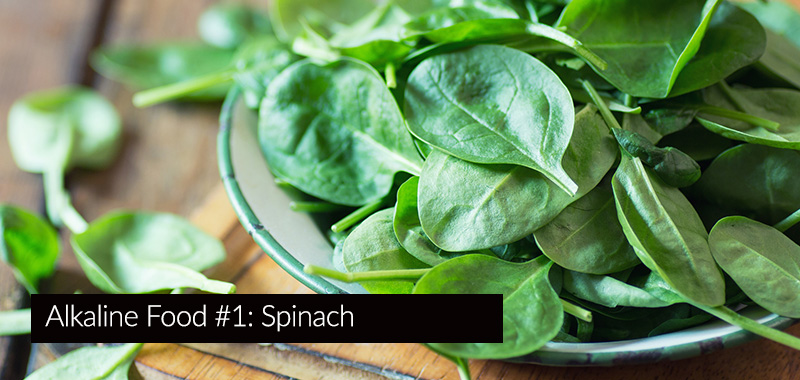
ALL leafy greens should be eaten in abundance but spinach is my absolute favorite because it's easy to buy, easy to use in recipes and salads and is delicious. Baby spinach or fully grown spinach are nutritional powerhouses and are incredibly alkaline.
As with all green foods, spinach is rich in chlorophyll (see more about the health benefits of chlorophyll here), a potent alkaliser and blood builder.
It is also super high in vitamin K, vitamin A, manganese, folate, magnesium, iron, vitamin c, vitamin b2, calcium, potassium, vitamin e, dietary fiber…need I go on?
I doubt there is a more all-around healthy food on earth and I highly encourage you to eat spinach throughout the day, every day.
Nutrients per 1 Cup
Vitamin K – 1110% RDA
Vitamin A – 337.3% RDA
Manganese – 84% RDA
Folate – 65.7% RDA
Magnesium – 38% RDA
Iron – 35% RDA
Vitamin C – 31% RDA
Vitamin B2 – 27% RDA
Calcium – 25% RDA
Potassium – 23% RDA
Vitamin E – 21% RDA
Fiber – 19% RDA
Ross' Alkaline Recipes Containing Spinach
Warm Red Pepper & Spinach Salad
Spinach, Garlic & Tofu Burgers
Alkaline Avo Power Smoothie
Alkaline Raw Soup
Research on Spinach
- Spinach as a powerful antioxidant: Manach C, Scalbert A, Morand C, Rémésy C, Jiménez L. Polyphenols: food sources and bioavailability. Am J Clin Nutr. 2004 May;79(5):727-47. 2004. PMID:15113710.
- Spinach intake and ovarian cancer reduction: Gates MA, Tworoger SS, Hecht JL, De Vivo I, Rosner B, Hankinson SE. A prospective study of dietary flavonoid intake and incidence of epithelial ovarian cancer. Int J Cancer. 2007 Apr 30; [Epub ahead of print] 2007. PMID:17471564.
- Spinach intake and breast cancer: M P Longnecker, P A Newcomb, R Mittendorf, E R Greenberg and W C Willett. Intake of carrots, spinach, and supplements containing vitamin A in relation to risk of breast cancer. 1997. American Association for Cancer Research.
- Spinach and reversing motor and neuronal aging: James A. Joseph, Barbara Shukitt-Hale, Natalia A. Denisova,Donna Bielinski, Antonio Martin, John J. McEwen, and Paula C. Bickford. Reversals of Age-Related Declines in Neuronal Signal Transduction, Cognitive, and Motor Behavioural Deficits with Blueberry, Spinach, or Strawberry Dietary Supplementation. 1999. The Journal of Neuroscience.
The Most Alkaline Foods #2. Kale
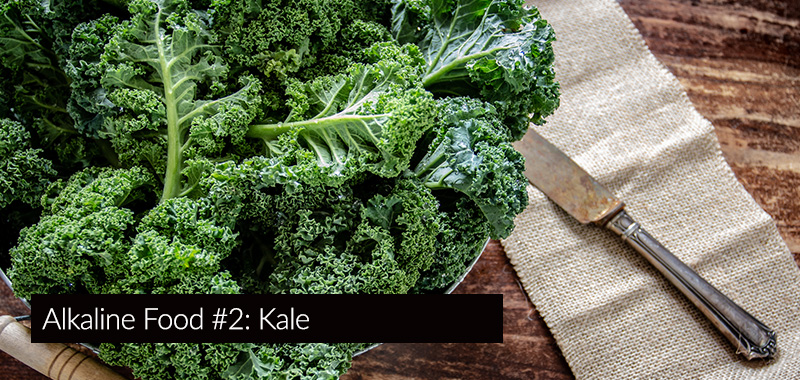
Long known in the alkaline circles as one of the most alkaline foods, kale is another leafy green beauty that is widely known for its cancer-fighting, cholesterol-lowering, antioxidant-rich, detoxifying goodness.
Less popular than spinach, but only because it has a history of being cooked poorly (like cabbage) – when done right it is absolutely delicious (see recipes below, you'll thank me).
If you eat kale 2-3 times per week you'll know it. Like spinach, it is massively high in vitamin k, vitamin a, and vitamin c and being leafy green it also has a huge chlorophyll content.
The reason it is so powerful against cancer fight is that kale contains at least four glucosinolates. I don't want to lose you here by using words like glucosinolates – all you need to know is that as soon as you eat and digest kale, these glucosinolates are really easily converted by the body into cancer-fighting compounds.
Also quite amazing for lowering cholesterol, it should be noted that steamed kale is more effective for cholesterol-lowering than raw.
Nutrients Per 1 Cup:
Vitamin K: 1327% RDA
Vitamin A: 354% RDA
Vitamin C: 88.8% RDA
Manganese: 27% RDA
Fiber: 12% RDA
Calcium: 11% RDA
Magnesium: 11% RDA
Iron: 9% RDA
Omgega 3: 7% RDA
Ross' Alkaline Recipes Containing Kale:
Chickpea & Kale Rolls with Tomato Salsa
Kale & Chickpea Mash
Super Alkaline Kale Salad
Alkaline Chilli Spring Greens
Research on Kale:
- Ambrosone CB, Tang L. Cruciferous vegetable intake and cancer prevention: role of nutrigenetics. Cancer Prev Res (Phila Pa). 2009 Apr;2(4):298-300. 2009.
- Angeloni C, Leoncini E, Malaguti M, et al. Modulation of phase II enzymes by sulforaphane: implications for its cardioprotective potential. J Agric Food Chem. 2009 Jun 24;57(12):5615-22. 2009.
- Bhattacharya A, Tang L, Li Y, et al. Inhibition of bladder cancer development by allyl isothiocyanate. Carcinogenesis. 2010 Feb;31(2):281-6. 2010
- Higdon JV, Delage B, Williams DE, et al. Cruciferous Vegetables and Human Cancer Risk: Epidemiologic Evidence and Mechanistic Basis. Pharmacol Res. 2007 March; 55(3): 224-236. 2007.
- Zhang Y. Allyl isothiocyanate as cancer chemopreventive phytochemical. Mol Nutr Food Res. 2010 Jan;54(1):127-35. 2010.
The Most Alkaline Foods #3. Cucumber
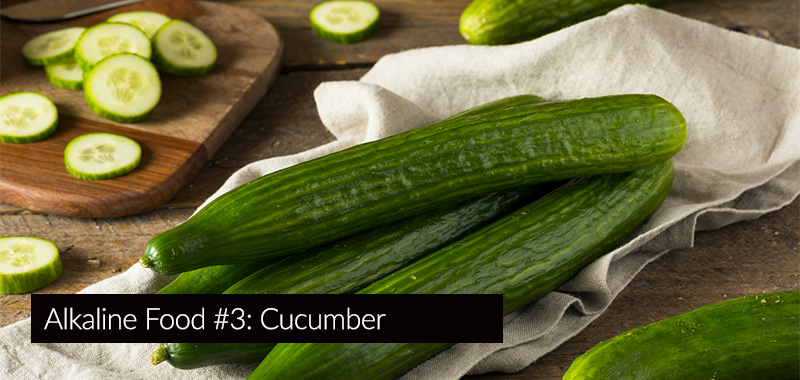
The beauty of cucumber is its water content – 95%. That is phenomenal and you won't find that anywhere else. Super alkalizing. It's the daddy of water content. This of course makes it an incredibly hydrating food to consume, that ALSO contains superb amounts of antioxidants, including the super-important lignans. These highly beneficial polyphenols have more commonly been associated with cruciferous vegetables, but their content in other veggies such as cucumbers is gaining more and more attention.
Cucumbers contain a right load of lariciresinol, pinoresinol, and secoisolariciresinol (don't try to pronounce), three lignans that have a huge and very strong history of research in connection with reduced risk of cardiovascular disease as well as several cancer types, including breast, uterine, ovarian, and prostate cancers.
The best thing about cucumbers is that they provide the base for practically every alkaline soup, smoothie, and juice – giving you a very alkaline, very nutritious base that also tastes great.
In terms of the actual nutrient RDA per serve, cucumbers contain fair amounts of vitamins K and C and slightly less of vitamin A and the B vitamins. Cucumbers also contain the following alkaline minerals: calcium, iron, phosphorus, potassium, magnesium, selenium, copper, manganese, iron, and zinc.
Nutrients per 1 Cup (RDA)
Vitamin K: 23%
Molybdenum: 8%
Vitamin C: 6%
Potassium: 5%
Manganese: 5%
Magnesium: 4%
Ross' Alkaline Recipes Containing Cucumber:
Alkaline Cucumber & Watercress Soup
Alkaline Sushi
Antioxidant Super-Meal
Sweet Chunky Alkaline Shake
pH Boosting Protein Shake
Almond Gazpacho
Research on Cucumber:
- Kumar D, Kumar S, Singh J, et al. Free Radical Scavenging and Analgesic Activities of Cucumis sativus L. Fruit Extract. J Young Pharm. 2010 Oct;2(4):365-8. 2010.
- Milder IEJ, Arts ICW, van de Putte B et al. Lignan contents of Dutch plant foods: a database including lariciresinol, pinoresinol, secoisolariciresinol and matairesinol. Br J Nutr 2005, 93:393-402. 2005.
- Rios JL, Recio MC, Escandell JM, et al. Inhibition of transcription factors by plant-derived compounds and their implications in inflammation and cancer. Curr Pharm Des. 2009;15(11):1212-37. Review. 2009.
- Tang J, Meng X, Liu H et al. Antimicrobial activity of sphingolipids isolated from the stems of cucumber (Cucumis sativus L.). Molecules. 2010 Dec 15;15(12):9288-97. 2010.
The Most Alkaline Foods #4. Broccoli
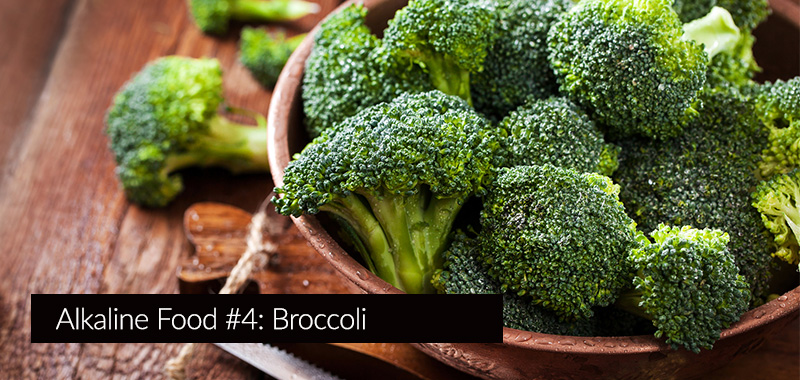
Broccoli is just a must. If you are serious about living with health, energy, and vitality you simply have to eat broccoli, if not on a daily basis, then at least 4 times per week.
Broccoli has been proven over and over and over again to be incredibly powerful in inhibiting cancers, supporting the digestive system, the cardiovascular system, the detoxification processes in the body, and also supporting the skin, metabolism, immune system, being an anti-inflammatory and providing ample antioxidants.
Sound good?
Eaten steamed or raw it's a hugely alkaline, hugely nutritious food. Please, please, please eat lots and lots of it. Put it in salads, juices, smoothies, soups…steam it with other veggies – you can even roast it if you're having Sunday lunch.
Don't let a meal go past without thinking to yourself "how could I get some broccoli in here?"
Nutrients Per 1 Cup (as an RDA):
Vitamin C: 135%
Vitamin K: 115%
Folate: 16%
Vitamin A: 14%
Manganese: 10%
Dietary Fiber: 10%
Potassium: 8%
VItamin B6: 8%
Vitamin B2: 7%
Molybdenum: 6%
Phosphorus: 6%
Vitamin B5: 5%
Protein: 5%
Magnesium: 5%
Calcium: 4%
Selenium: 4%
Vitamin E: 4%
Ross' Alkaline Recipes Containing Broccoli:
Broccoli & Vegetable Coconut Curry
Super Nutrient Breakfast Bowl
Cleansing Broccoli Soup
Sweet Chunky Alkaline Smoothie
Spicy Alkaline Summer Soup
Research on Broccoli:
- Broccoli and Cancer Prevention: John W. Finley, Clement Ip, Donald J. Lisk, Cindy D. Davis, Korry J. Hintze, and Phil D. Whanger. Cancer-Protective Properties of High-Selenium Broccoli. 2001. American Chemical Society
- Broccoli and Cardiovascular Disease: Lingyun Wu, M. Hossein Noyan Ashraf, Marina Facci, Rui Wang,Phyllis G. Paterson, Alison Ferrie, and Bernhard H. J. Juurlink. 2004. Dietary approach to attenuate oxidative stress, hypertension, and inflammation in the cardiovascular system. The Proceedings of the National Academy of Sciences
- Broccoli and Cancer Prevention: Ambrosone CB, Tang L. Cruciferous vegetable intake and cancer prevention: role of nutrigenetics. Cancer Prev Res (Phila Pa). 2009 Apr;2(4):298-300. 2009.
- Broccoli and Cancer Prevention: Clarke JD, Dashwood RH, Ho E. Multi-targeted prevention of cancer by sulforaphane. Cancer Lett. 2008 Oct
- Chemo-protection and Broccoli: Konsue N, Ioannides C. Modulation of carcinogen-metabolising cytochromes P450 in human liver by the chemopreventive phytochemical phenethyl isothiocyanate, a constituent of cruciferous vegetables. Toxicology. 2010 Feb 9;268(3):184-90. 2010.
The Most Alkaline Foods #5. Avocado
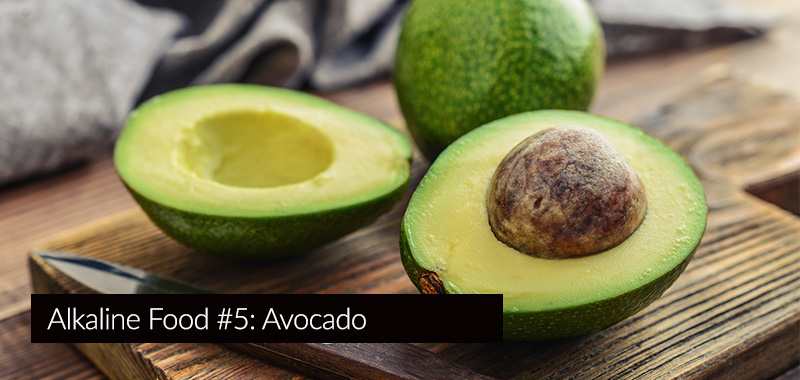
I eat a LOT of avocados. Not a salad, smoothie, or soup goes by without me adding at least 1/2 an avocado per person. I probably eat at least five-seven per week, myself.
Now, I know a lot of people give avocado a bad rep because it is a high-fat food (85% of its calories come from fats) – but this is totally insane. These are good fats that will not make you gain weight. If anything, due to the high content of oleic acid (making it an omega 9 fat and very similar to olive oil), it can lower total cholesterol level and raise levels of high-density lipoproteins (HDLs) while lowering low-density lipoproteins (LDLs), also known as the "bad" cholesterol. Oleic acid also slows the development of heart disease and promotes the production of antioxidants.
These beneficial omega oils also help speed the metabolism, actually leading to weight loss rather than gain.
So now we're over the fat issue, avocado also contains a wide range of other nutrients that have serious anti-inflammatory, heart health, cardiovascular health, anti-cancer, and blood sugar benefits.
Containing key antioxidants such as alpha-carotene, beta-carotene, lutein, selenium, and more – it is a powerful, alkaline, nutrient-dense superfood.
Nutrients Per 1 Cup (as an RDA):
Dietary Fiber: 40%
Vitamin K: 38%
Folate: 30%
Vitamin C: 24%
Vitamin B5: 20%
Potassium: 20%
Vitamin B6: 19%
Ross' Alkaline Recipes Containing Avocado:
Alkaline Avocado Power Shake
Raw Avocado Soup
Smooth Avocado & Tofu Dip
Alkaline Quinoa Salad
Research on Avocado:
- Avocado & Adult Health: Fulgoni V, Dreher M, Davenport A. Avocado consumption associated with better nutrient intake and better health indices in U.S. adults (19+ years): NHANES 2001-2006. Abstract #8514. Experimental Biology, Anaheim, CA. April 28, 2010. 2010.
- Avocado & Cancer: Ding H, Han C, Guo D et al. Selective induction of apoptosis of human oral cancer cell lines by avocado extracts via a ROS-mediated mechanism. Nutr Cancer. 2009;61(3):348-56. 2009.
- Avocado & Cancer: Ding H, Chin YW, Kinghorn AD et al. Chemopreventive characteristics of avocado fruit. Semin Cancer Biol. 2007 May 17;
- Avocado & Inflammation: Rosenblat G, Meretski S, Segal J et al. Polyhydroxylated fatty alcohols derived from avocado suppress inflammatory response and provide non-sunscreen protection against UV-induced damage in skin cells. Arch Dermatol Res. 2010 Oct 27. [Epub ahead of print]. 2010.
The Most Alkaline Foods #6. Celery
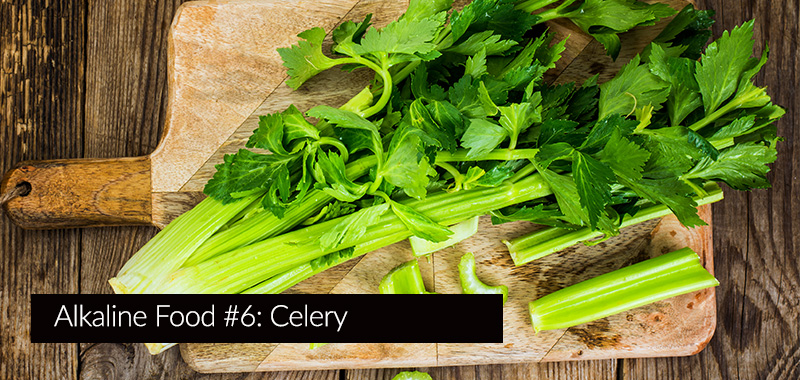
Celery, like cucumber, is a favorite because it's alkaline AND really high water content, so is used very frequently as a base in juices and soups (not so many smoothies as you have to juice it first…and then you have double the washing up).
One of the celery's big benefits is its vitamin C level, which has the well-known benefits – but two of its lesser-known nutrients are phthalides which have been shown to lower LDL cholesterol and coumarins which have been shown to inhibit several cancers.
The beauty of vitamin C-rich foods is that they help with the most common and most challenging health concerns – they support the immune system, inflammation (so helps with arthritis, osteoporosis, asthma, etc), and vitamin C also helps significantly with cardiovascular health.
If you are on a weight loss journey, you'll also be happy to hear that this alkaline staple contains plenty of potassium and sodium and so is a diuretic – meaning it helps rid the body of excess fluids.
Nutrients Per 1 Cup (as an RDA):
Vitamin K: 37%
Folate: 9%
Vitamin A: 9%
Potassium: 8%
Molybdenum: 7%
Dietary Fiber: 6%
Vitamin C: 5%
Manganese: 5%
Calcium: 4%
Vitamin B2: 3.5%
Vitamin B6: 4%
Magnesium: 3%
Vitamin B5: 3%
Ross' Alkaline Recipes Containing Celery:
Vegetable Bean Soup
Alkaline Green Drink
Delicious Refresher Juice
Alkaline Chilli Greens
Research on Celery:
- Celery and Hypertension: Kurl S, Tuomainen TP, Laukkanen JA et al. Plasma vitamin C modifies the association between hypertension and risk of stroke. Stroke 2002 Jun;33(6):1568-73 2002.
- Celery & Cholesterol: Tsi D, Tan BK. The mechanism underlying the hypocholesterolaemic activity of aqueous celery extract, its butanol and aqueous fractions in genetically hypercholesterolaemic RICO rats. Life Sci 2000 Jan 14;66(8):755-67 2000.
The Most Alkaline Foods #7. Capsicum / Bell Pepper / Pepper
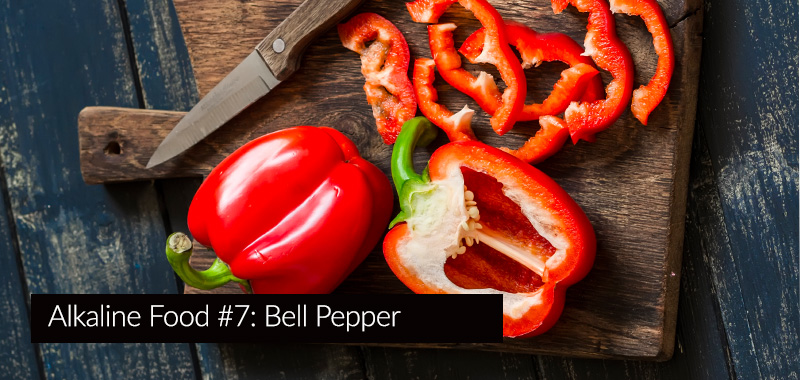
The antioxidant superpower, bell pepper is one of my all-time favorites because it is sweet, crunchy, and refreshingly delicious. You can use it in almost any meal raw, grilled, fried, roasted and it is always a winner.
If you're missing sweetness when you first start to 'go alkaline' then bell pepper can be a lovely in-between for you (and be sure to check my guide to the most alkaline fruits here)
Here are just SOME of the antioxidants bell pepper contains:
• Flavonoids
– luteolin
– quercetin
– hesperidin
• Carotenoids
– alpha-carotene
– beta-carotene
– cryptoxanthin
– lutein
– zeaxanthin
• Hydroxycinnamic Acids
– ferulic acid
– cinnamic acid
Of these, the carotenoids are the most interesting. Impressively beneficial to our health carotenoids are highly researched and get a lot of attention in the health field…and bell peppers contain over 30 different members of the carotenoid nutrient family. The only other food that is close to this is tomato…and all other foods are also-rans.
Bell peppers have shown up in research relating to decreasing the risk of cardiovascular disease, type II diabetes, macular degeneration, cancer, inflammation and more.
Alongside these lesser-known or more complex-named antioxidants, and of all the most alkaline foods – bell pepper is one of, if not the best food source of the more common antioxidants: vitamin C, vitamin A, and vitamin E.
In fact, bell peppers contain twice as much vitamin C as oranges.
Nutrients Per 1 Cup (as an RDA):
Vitamin C: 195.8%
Vitamin A: 58%
Vitamin B6: 14%
Folate: 11%
Dietary Fiber: 7%
Vitamin E: 7%
Molybdenum: 6%
Vitamin K: 6%
Potassium: 6%
Manganese: 5%
Vitamin B2: 5%
Vitamin B3: 5%
Vitamin B1: 3%
Vitamin B5: 3%
Magnesium: 2%
Ross' Alkaline Recipes Containing Bell Pepper:
Sweet Chunky Alkaline Shake
Red Lentils with Bell Pepper
Red Pepper & Tomato Soup
Antioxidant Rich Smoothie
Research on Bell Pepper:
- Pepper and Dementia: Devore EE, Grodstein F, van Rooij FJA et al. Dietary antioxidants and long-term risk of dementia. Arch Neurol. 2010 July; 67(7): 819-825. 2010.
- Peppers and Antioxidants: O'Sullivan L, Jiwan MA, Daly T, O'Brien NM et al. Bioaccessibility, uptake, and transport of carotenoids from peppers (Capsicum spp.) using the coupled in vitro digestion and human intestinal Caco-2 cell model. J Agric Food Chem. 2010 May 12;58(9):5374-9. 2010.
- Pepper and Cancer: Ambrosini GL, de Klerk NH, Fritschi L et al. Fruit, vegetable, vitamin A intakes, and prostate cancer risk. Prostate Cancer Prostatic Dis. 2008;11(1):61-6. 2008.
Alkaline Food #8: Watercress
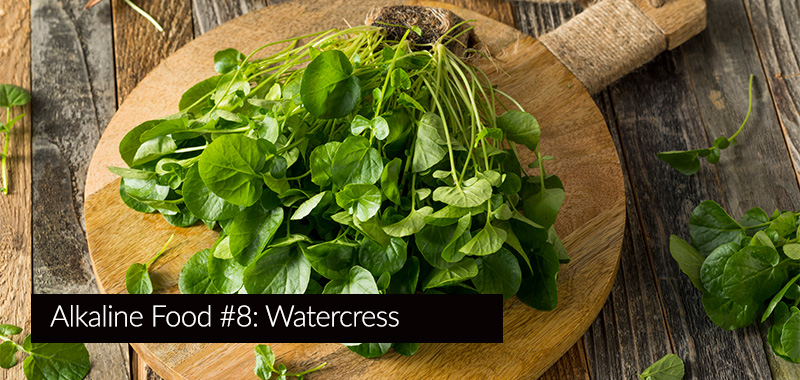
Watercress is a cruciferous vegetable that has long been used for medicinal purposes. It's related to nutrition powerhouses like broccoli, kale, mustard greens, etc.
Watercress is one of the most alkaline foods out there. Not only does it contain loads of vitamins and minerals (including calcium, iron, magnesium), it also contains protein and amino acids that are vital for cell renewal and pH balance.
Watercress also contains sulforaphane which is one of the most important nutrients on Earth, supporting heart health, lowering cancer risk, and helps balance insulin levels.
Watercress is a unique way to add a little peppery kick of flavor and alkalinity to your day. Add it to salads, wraps, sandwiches or pretty much any dish you can imagine.
Nutrients per one cup:
Vitamin K – 106%
Vitamin A – 28%
Vitamin C – 24%
Calcium – 17%
Iron – 11%
Magnesium – 11%
Manganese – 14%
Potassium – 7%
Ross' Recipes Containing Watercress:
Rocket (Arugula), Watercress & Mint Salad
Cucumber & Watercress Soup
Anti-Inflammatory Smoothie
Research on Watercress:
Zhifeng Li, Hui Wen Lee, Xu Liang, Dong Liang, Qi Wang, Dejian Huang, Choon Nam Ong; Profiling of Phenolic Compounds and Antioxidant Activity of 12 Cruciferous Vegetables; Molecules 2018 May 10;23(5):1139. doi: 10.3390/molecules23051139.
Sônia M de Figueiredo, Sidney A V Filho, José A Nogueira-Machado, Rachel B Caligiorne; The anti-oxidant properties of isothiocyanates: a review; Recent Pat Endocr Metab Immune Drug Discov 2013 Sep;7(3):213-25. doi: 10.2174/18722148113079990011.
Lucília P Pereira, Marlene Duarte, et al; Targeting Colorectal Cancer Proliferation, Stemness and Metastatic Potential Using Brassicaceae Extracts Enriched in Isothiocyanates: A 3D Cell Model-Based Study; Nutrients 2017 Apr 10;9(4):368. doi: 10.3390/nu9040368.
Alkaline Food #9: Coconut Oil
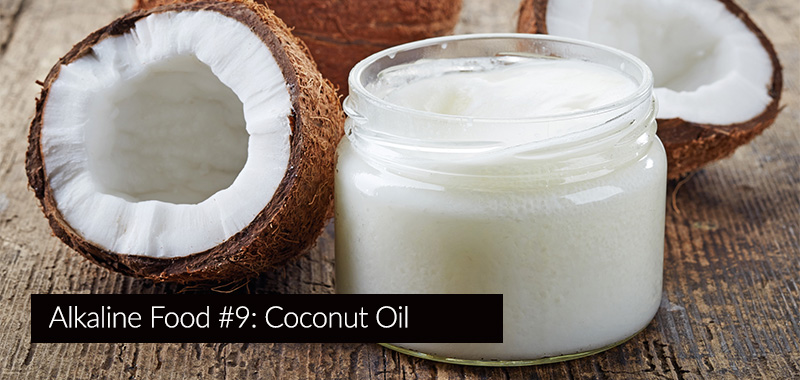
Coconut oil is a healthy fat that supports immunity, heart health, weight loss, and nutrient absorption. It contains medium-chain fatty acids which are easily metabolized into energy rather than being stored as fat.
Long-derided as saturated fat, research has, for decades now, destroyed the saturated fat myths around heart health, weight gain, and so on. The evidence is clear that saturated fat, particularly from coconut, lowers LDL cholesterol while raising beneficial HDL cholesterol. It also supports a healthy weight by balancing the gut, helping regulate the 'weight loss' hormones leptin, ghrelin, and adiponectin, and so much more.
The lauric acid in coconut oil is metabolized into monolaurin in the body, which has remarkable germ-fighting power. Plus the caprylic acid is proven to destroy candida.
In addition to its immense benefits for general health, coconut oil also helps raise the pH level of your body by providing alkaline minerals like potassium, magnesium, and calcium.
Coconut oil is great for cooking at moderate temperatures because it does not oxidize easily when exposed to heat. Coconut cream can be used by those who suffer from dairy intolerances or allergies.
Nutrients per tablespoon:
Manganese – 14%
Iron – 3%
Vitamin E – 6%
Calcium – 1%
Magnesium – 0.8%
Zinc – 1%
Ross' Recipes Containing Coconut Oil:
Well…practically all of them! Take your pick!
Research on coconut oil:
D M Dreon, H A Fernstrom, H Campos, P Blanche, P T Williams, and R M Krauss; Change in dietary saturated fat intake is correlated with change in mass of large low-density-lipoprotein particles in men. Am J Clin Nutr May 1998 vol. 67 no. 5 828-836
Patty W Siri-Tarino, Qi Sun, Frank B Hu, and Ronald M Krauss; Meta-analysis of prospective cohort studies evaluating the association of saturated fat with cardiovascular disease; January 13, 2010, Am J Clin Nutr
Rajiv Chowdhury, MD, PhD; Samantha Warnakula et al; Association of Dietary, Circulating, and Supplement Fatty Acids With Coronary Risk: A Systematic Review and Meta-analysis; Annals of Internal Medicine, 18 March 2014, Vol 160, No. 6
Alkaline Food #10 – Flax Seeds & Flax Oil
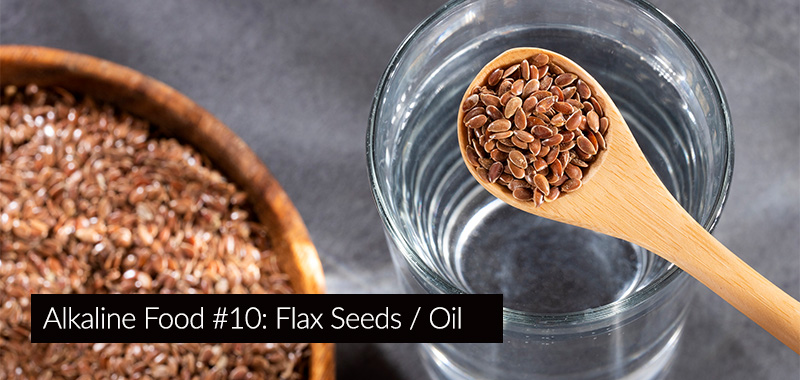
Flax seeds are an incredible alkaline food because they are very high in lignans which is a phytonutrient that helps prevent many hormone-dependent cancers including breast, ovarian, uterine, and prostate cancer.
Flaxseed oil contains the highest level of omega 3 fatty acids per gram than any other source. The great thing about flax seed oil is that it's very high in alpha-linolenic acid (ALA) which the body needs to make the omega 3s EPA and DHA.
To live a vibrant, alkaline life, full of energy, you absolutely HAVE to get enough omega 3 each day, and flax is one of the very best sources.
Nutrients in 2 tbsp:
omega-3 fats: 133%
copper: 19%
vitamin B1: 19%
manganese: 15%
fiber: 14%
phosphorus: 13%
magnesium: 13%
selenium: 6%
Ross' Recipes Containing Flax Seeds or Oil:
Spicy Herb & Flax Crackers
Ross' Ultimate Gluten-Free Bread
Creamy Pesto Pine Nut Extravaganza
Research on Flax Benefits:
Julie K Mason, Lilian U Thompson; Flaxseed and its lignan and oil components: can they play a role in reducing the risk of and improving the treatment of breast cancer; 2014 Jun;39(6):663-78
Elizabeth C Lowcock, Michelle Cotterchio, Beatrice A Boucher; Consumption of flaxseed, a rich source of lignans, is associated with reduced breast cancer risk; Cancer Causes Control;. 2013 Apr;24(4):813-6. doi: 10.1007/s10552-013-0155-7. Epub 2013 Jan 25.
Uliyar Vitaldas Mani, Indirani Mani, Mamta Biswas, Smriti Nanda Kumar; An open-label study on the effect of flax seed powder (Linum usitatissimum) supplementation in the management of diabetes mellitus; J Diet Suppl 2011 Sep;8(3):257-65
Anagha Patade; Flaxseed reduces total and LDL cholesterol concentrations in Native American postmenopausal women; J Womens Health (Larchmt) 2008 Apr;17(3):355-66.
Alkaline Food #11 – Garlic
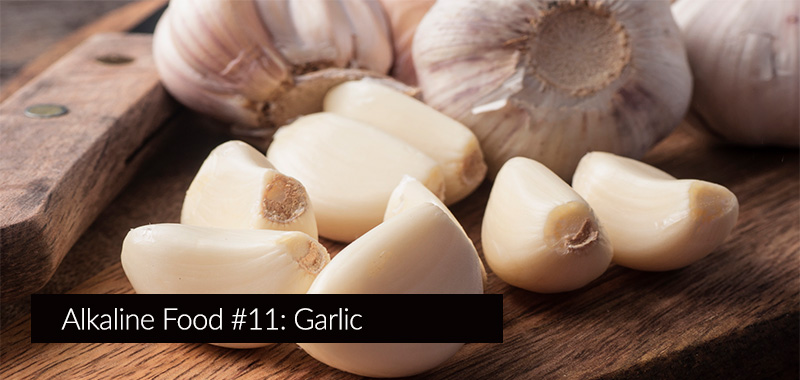
Garlic is known as nature's antibiotic, anti-fungal and antiviral herb. It has been used for centuries to treat everything from the common cold, to diabetes and even leprosy!
In one study, garlic was shown to prevent breast cancer in rats exposed to a carcinogen. In another, it reduced prostate tumor growth by 50% and increased survival time by 56%. It also helps lower blood pressure naturally, without side effects.
Garlic is also a very powerful liver tonic and helps the body get rid of excess fluid retention throughout the body. This helps to reduce swollen ankles, varicose veins and cellulite.
The allicin in garlic is what gives it many of its incredible therapeutic properties including lowering LDL cholesterol.
For those with high cholesterol, garlic supplements appear to reduce total and/or LDL cholesterol by about 10–15%.
Garlic also contains antioxidants that support the body's protective mechanisms against oxidative damage – particularly with regards to dementia and Alzheimer's.
Ross' Recipes Containing Garlic:
Alkaline Liver Cleansing Tonic
Tofu & Spinach Burgers
(Keto) Creamy Cashew Cesar Dressing
Alkaline Keto Alfredo Pasta
Research on Garlic:
C Silagy, A Neil; Garlic as a lipid lowering agent–a meta-analysis; J R Coll Physicians Lond; . Jan-Feb 1994;28(1):39-45.
H Amagase, B L Petesch, H Matsuura, S Kasuga, Y Itakura; Intake of garlic and its bioactive components; J Nutr 2001 Mar;131(3s):955S-62S. doi: 10.1093/jn/131.3.955S.
P Josling. Preventing the common cold with a garlic supplement: a double-blind, placebo-controlled survey; Adv Ther Jul-Aug 2001;18(4):189-93. doi: 10.1007/BF02850113.
Veena Dhawan, Sanjay Jain; Garlic supplementation prevents oxidative DNA damage in essential hypertension; Mol Cell Biochem 2005 Jul;275(1-2):85-94. doi: 10.1007/s11010-005-0824-2.
Alkaline Food #12 – Beetroot
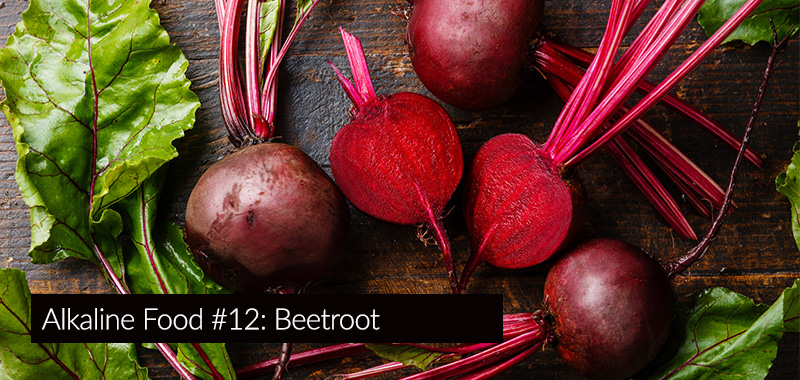
Beetroot is a wonder food that provides incredible nutritional value. It's high in dietary fiber and has been shown to lower blood pressure and improve exercise performance.
Beetroot contains betaine which can be exceptionally beneficial to those with kidney problems, as it helps reduce the build up of homocysteine – a harmful amino acid linked to heart disease and stroke.
The high levels of betaine in beetroot also help prevent inflammation, creating an alkaline environment in the body, while helping liver cells regenerate.
Beetroot is widely used as a "beauty food" due to its deep red color which comes from bioflavonoids that are antibacterial, anti-fungal and anti-viral.
These active compounds also protect blood vessels from hardening, as well as protecting the skin from damage caused by free radicals. Beetroot is often applied topically to treat acne, varicose veins, scars, and dandruff. It's also a good source of betaine which helps prevent liver damage by reducing the build up of homocysteine, a harmful amino acid linked to heart disease and stroke.
Beetroot also has natural anti-clotting capabilities which can reduce the chances of clotting in the blood vessels, especially if you're taking blood thinning medication.
The betaine found in beetroot helps produce choline which is a key brain nutrient that supports memory, concentration and cognitive function.
The nitric oxide effect of beetroot also has a positive effect on the human body. Nitric oxide is a gaseous molecule made from combining nitrogen and oxygen that helps blood vessels relax, which means better circulation of more oxygen-rich blood throughout your entire body.
There are many great ways to use beetroot. You can juice it or grate fresh raw beets into salads and enjoy them with plenty of alkaline dressing. Beetroot can also be used to make lovely beetroot hummus too!
Nutrients per cup:
Folate: 34%
Manganese: 24%
Copper: 14%
Fiber: 19%
Potassium: 17%
Phosphorus: 9%
Magnesium: 9%
Vitamin C: 11%
Iron: 11%
Vitamin B6: 9%
Ross' Recipe Containing Beetroot:
Triple-A Juice (awesome)
Beetroot Ravioli with Cashew Cream
Alkaline Fat Flushing Juice
Research on Beetroot:
Andrew J Webb, Nakul Patel,et al.; Acute blood pressure lowering, vasoprotective, and antiplatelet properties of dietary nitrate via bioconversion to nitrite; 2008 Mar;51(3):784-90.
Margaret Murphy, Katie Eliot, Rita M Heuertz, Edward Weiss; Whole beetroot consumption acutely improves running performance; J Acad Nutr Diet; 2012 Apr;112(4):548-52. doi: 10.1016/j.jand.2011.12.002.
Ali A. El Gamal, Mansour S. AlSaid, Mohammad Raish, Mohammed Al-Sohaibani; Beetroot (Beta vulgaris L.) Extract Ameliorates Gentamicin-Induced Nephrotoxicity Associated Oxidative Stress, Inflammation, and Apoptosis in Rodent Model; Mediators Inflamm. 2014; 2014: 983952.
Alkaline Food #13 – Turmeric
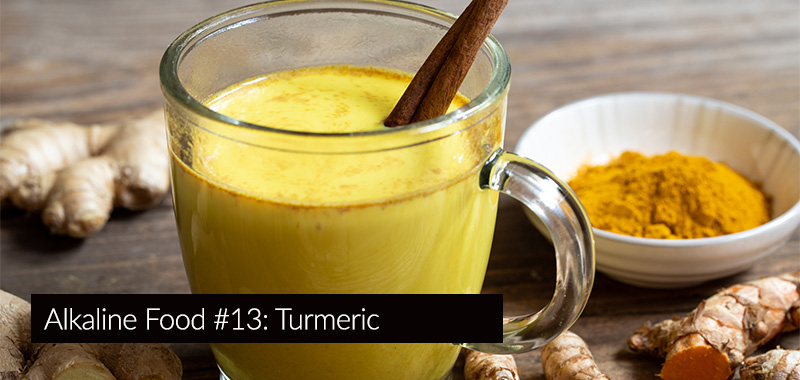
Turmeric comes from the root of the Curcuma longa plant and looks a little bit like a knobbly old finger from a wizard or witch in a kids book.
Turmeric is proven to be extremely powerfully anti-inflammatory, anti-carcinogenic, anti-viral, and of course ALKALINE, and so much more.
It is not only a powerful antioxidant but also increases the antioxidant capacity within the body.
The most powerful compound in turmeric is curcumin. Curcumin offers a potent ant-inflammatory activity, making this powerful for conditions such as arthritis and other auto-immune conditions.
Curcumin also helps the body to develop a healthy immune system, can help with pain relief, and improves mood.
Turmeric is also fantastic for the digestive system is antibacterial, anti-parasitic, and full of nutrients that support your liver.
It's also proven to be great for brain function making it excellent for memory, concentration, and cognitive performance.
Ross' Alkaline Recipes Containing Turmeric (my gosh there are so many, but here's a few):
Two Powerful Turmeric & Ginger Teas
Turmeric Golden Paste
Roast Cauliflower & Turmeric Curry
Anti-Inflammatory Soup
Research on Turmeric:
Balasubramanian K. Molecular Orbital Basis for Yellow Curry Spice Curcumin's Prevention of Alzheimer's Disease. J. Agric. Food Chem., 54 (10), 3512 -3520, 2006. 10.1021/jf0603533 S0021-8561(06)00353-0, Web Release Date: April 20, 2006. 2006.
Cruz-Correa M, Shoskes DA, Sanchez P, Zhao R, Hylind LM, Wexner SD, Giardiello FM. Combination treatment with curcumin and quercetin of adenomas in familial adenomatous polyposis. i>Clin Gastroenterol Hepatol. 2006 Aug;4(8):1035-8. Epub 2006 Jun 6. 2006. PMID:16757216.
Dorai T, Cao YC, Dorai B, et al. Therapeutic potential of curcumin in human prostate cancer. III. Curcumin inhibits proliferation, induces apoptosis, and inhibits angiogenesis of LNCaP prostate cancer cells in vivo. Prostate 2001 Jun 1;47(4):293-303. 2001. PMID:16280.
Hidaka H, Ishiko T, Furunashi T et al. Curcumin inhibits interleukin 8 production and enhances interleukin 8 receptor expression on the cell surface: impact on human pancreatic carcinoma cell growth by autocrine regulation. Cancer 2002 Sep 15;96(6):1206-14. 2002.
Alkaline Food #14 – Ginger
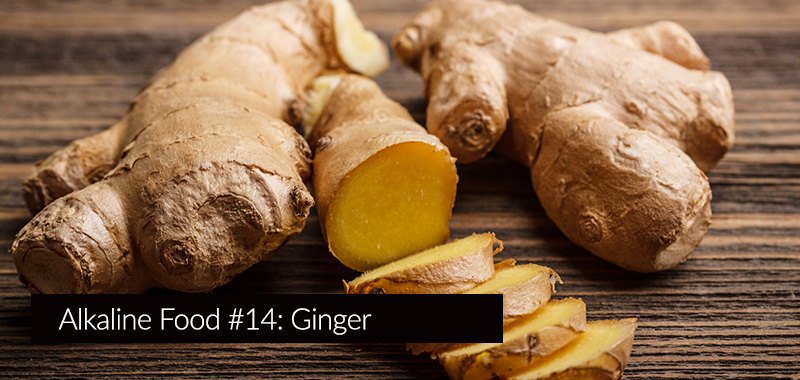
Ginger is a close relative of turmeric. It is quite simply an alkalising superfood. Ginger has fantastic alkaline, anti-inflammatory properties just like turmeric, but has other benefits that are unique, owing to the compound in ginger, cutely called gingerols.
The gingerol compound gives ginger so many benefits including anti-viral, anti-bacterial, anti-fungal and anti-protozoa.
Ginger's benefits are vast, it helps kill flu viruses, staves off colds; reduces inflammation; prevents gastric ulcers (and fights bacteria that causes ulcers) – one study found that eating ginger every day for the year ended up in less than half of the people catching stomach bugs compared to those who did not.
Ginger has been proven to help prevent heart disease, reduces cholesterol, helps improve circulation and is a great natural pain killer.
Used together with turmeric – it's a powerful daily one-two that will keep you alkaline, energized and thriving.
Ross' Alkaline Recipes Containing Ginger:
Alkaline Ginger Cookies
Creamy Broccoli Ginger & Leek Soup
Garlic & Ginger Tonic
Leafy Greens & Ginger Stir Fry
Research on Ginger:
Gajalakshmi V, Jayaprakas C. Effect of [6]-gingerol, [8]-gingerol and [10]-gingerol on the production of prostaglandin E2 and leukotriene B4 in stimulated human polymorphonuclear leukocytes. Agents Actions 1990 Feb;29(2-3):175-8. 1990. PMID:2183471
Hosoda K, Ogura Y, Ohnuma T et al. Inhibitory effect of [6]-gingerol on the growth and metastasis of B16F10 melanoma cells in vitro and in vivo. Carcinogenesis 1999 Aug;20(8):1627-32. 1999. PMID:10402451
Kawamori T, Nosaka N, Shigematsu H et al. Combined inhibition of cyclooxygenase-2 and 5-lipoxygenase by [6]-gingerol and its stereoisomers. J Nat Prod 2002 Jan;65(1):31-3. 2002. PMID:11752762
Khaw KT, Khine H, Na HS et al. The effects of fish oil and ginger on blood pressure and serum lipids in hypertensive male Thais. Am J Hypertens 1999 Aug;12(8):713-7. 1999. PMID:10440142
Alkaline Food #15 – Chia
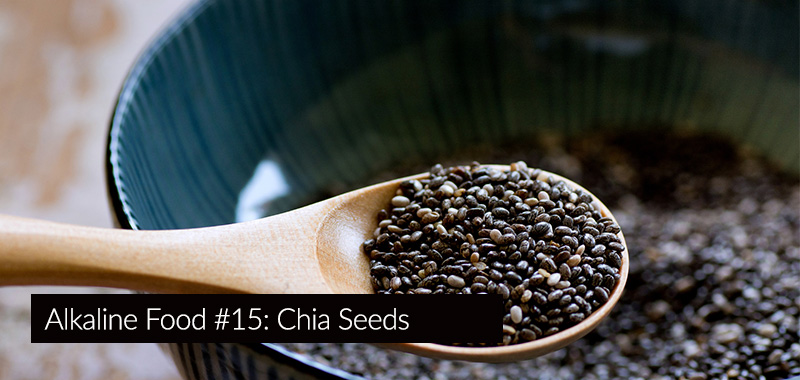
Chia is certainly one of the most alkaline foods you can include each day, and a very alkaline seed even though it's from a desert plant.
It gets its superpowers from being one of the highest plant sources of omega 3 fatty acids, containing practically half of it in the form of ALA.
The other type of Omega 3 that chia seeds contain is much easier to metabolize and turn into energy for your body, this other form is DHA. Chia also contains fiber, and protein making it a great all-rounder in terms of macronutrients.
For micronutrients, chia contains lots of calcium, phosphorus, magnesium, and manganese, all highly alkaline minerals.
Chia also contains a lot of antioxidants that protect the chia seed from oxidation – slowing its aging process.
As for its alkaline benefits, chia seeds have been shown to reduce inflammation in joints and rid the body of free radicals which age us.
Nutrients per 28g:
Calcium: 63%
Omega 3: 42%
Phosphorus: 95%
Potassium: 5%
Zinc: 23%
Copper: 9%
Manganese: 108%
Ross' Alkaline Recipes Containing Chia:
Chia Seed Energy Crackers
Coconut Chia Cream Pots
Full Til Lunch Smoothie
Chai Spiced Porridge
Research on Chia:
Olivier Martínez-Cruz, Octavio Paredes-López; Phytochemical profile and nutraceutical potential of chia seeds (Salvia hispanica L.) by ultra high performance liquid chromatography; J Chromatogr A. 2014 Jun 13;1346:43-8. doi: 10.1016/j.chroma.2014.04.007. Epub 2014 Apr 13.
Jordi Salas-Salvadó et al; Effect of two doses of a mixture of soluble fibres on body weight and metabolic variables in overweight or obese patients: a randomised trial; Br J Nutr. 2008 Jun;99(6):1380-7.
Vladimir Vuksan et al; Supplementation of conventional therapy with the novel grain Salba (Salvia hispanica L.) improves major and emerging cardiovascular risk factors in type 2 diabetes: results of a randomized controlled trial; Diabetes Care; 2007 Nov;30(11):2804-10.
How to Get The Most Alkaline Foods Daily: THIS IS REALLY IMPORTANT
I really want you to think about this: If you made a smoothie or juice containing just 1/2 a cup of each of the top seven most alkaline foods it would give you:
Vitamin K – 1326% RDA
Molybdenum – 13.5% RDA
Vitamin C – 243% RDA
Potassium – 35% RDA
Manganese – 68% RDA
Magnesium – 32% RDA
Vitamin A – 386% RDA
Fiber – 47% RDA
Calcium – 22% RDA
Iron – 22% RDA
Folate – 66% RDA
Vitamin B2 – 21.5% RDA
Vitamin E – 16% RDA
Vitamin B6 – 22.5% RDA
Vitamin B5 – 15.5% RDA
ALL IN ONE DRINK?
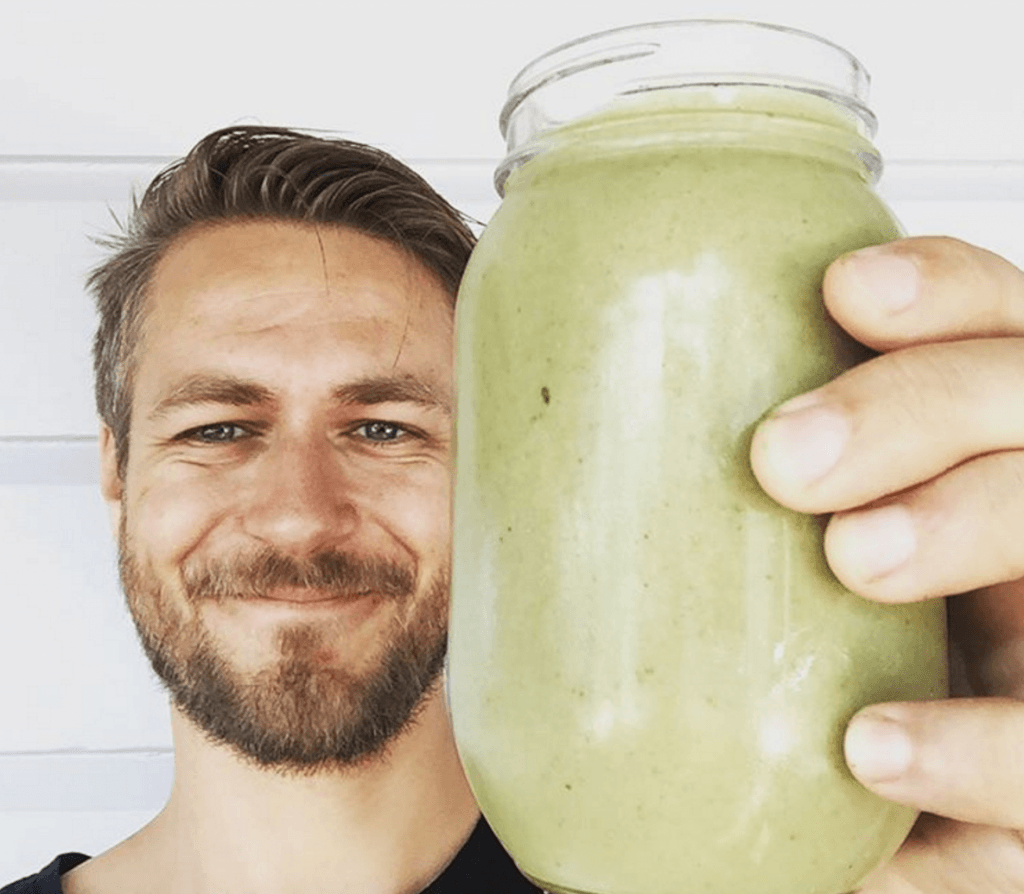
Can you imagine this? Leaving the house every morning having already consumed 243% of your vitamin c intake, 47% of your daily fiber needs, 68% of you manganese and 32% of your magnesium, over 22% of you vitamin B2 – imagine all of the incredible antioxidants? Before you've left the house?!
This really is giving you not only huge antioxidants, huge alkalinity, huge chlorophyll, huge detoxification nutrients – but if you want to go really mainstream – its giving you the recommended 5 Veg a Day before 9am!
Please give it a try – have a fresh vegetable juice or smoothie every morning for a week and let me know the effect this has!
Those are definitely my favorite alkaline foods and those that I've chosen to include in my diet on an almost daily basis, and often several times per day.
I promise you, if you include double the amount of these 7 foods than you currently are you will rapidly get towards your health goals.
Enjoy – let me know your thoughts, favorite foods, or even recipes below in the comments – I'd love to hear from you!
Ross
P.S remember the most alkaline foods are also usually the most nutrient-dense, anti-inflammatory, antioxidant-rich foods too. If you incorporate these foods into your diet as much as you can, every day, you'll really start to feel the difference.
Most Alkaline Foods Guide: Additional Resources
What is THE most alkaline food on earth?
How to Get 7.265 of the Most Alkaline Foods Daily (click here)
5 Myths of the Acid/Alkaline Diet
Beginner's Guide to the Alkaline Diet
Can You Spot an Alkaline from an Acid Food?
mcconnellonat1989.blogspot.com
Source: https://liveenergized.com/alkaline-foods-2/most-alkaline-foods/
0 Response to "Whats Good With Beef Barley Soup"
ارسال یک نظر